
Loading...
Serving Chino Hills, CA and surrounding areas. (909) 479-6375
Menu
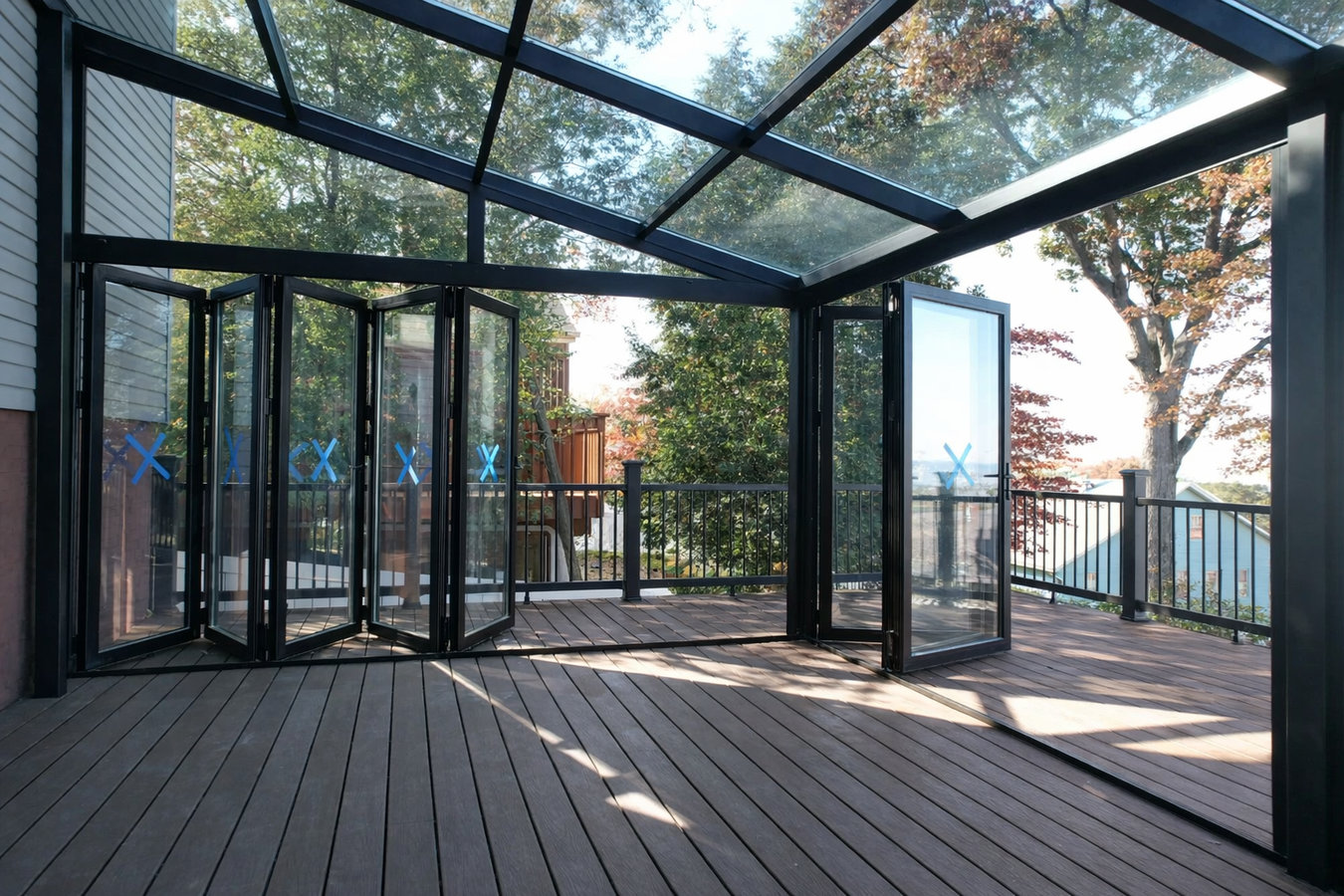
You want more natural light and an outdoor feel without the heat. A properly designed solarium gives you a bright, enclosed room that stays comfortable year-round - even through Inland Empire summers.
Solarium installation in Chino Hills means adding a room where the walls and roof are almost entirely glass or a clear glazing material, giving you natural light from every direction - active construction typically runs two to six weeks once permits are in hand, with the full project timeline closer to four to five months when HOA and city approvals are included.
Unlike a standard sunroom with solid walls and large windows, a solarium puts you in a space that feels genuinely connected to the outdoors while keeping you protected from heat, glare, and bugs. That distinction matters in Chino Hills, where the Inland Empire climate makes the glass specification the single most important decision in the whole project. The wrong glass type turns a solarium into an oven by mid-morning in July.
Homeowners who want a similar light-filled living space with somewhat less glazing often compare solariums with our custom sunrooms - a useful option if you want more design flexibility on the wall and roof composition. The National Association of the Remodeling Industry is a good resource for understanding what to look for when vetting a contractor for a project of this scope.
If your outdoor space sits empty from May through October because the sun makes it unbearable, a solarium with heat-blocking glass and climate control solves that problem directly. Chino Hills temperatures regularly reach the mid-90s and above, and a well-designed solarium gives you that outdoor feeling without the heat. Many homeowners describe it as the biggest quality-of-life change they have made to their home.
A solarium adds a full room of usable space at the edge of your home rather than consuming your yard the way a traditional addition would. If you find yourself wanting a bright reading room, plant conservatory, or casual dining space that connects to the outside, that is exactly what a solarium delivers. The transition between indoors and outdoors is one of the most appealing features for Southern California homeowners.
Many Chino Hills enclosed patios and screened rooms were built before modern glass technology and energy standards, which means they were never designed for real comfort - just basic shelter. If your current enclosure is sweltering in summer and drafty in winter, it may be time to replace it with a properly engineered solarium. A room built to current California energy standards will feel completely different.
In Chino Hills, where buyers expect outdoor-connected living space and lifestyle features command a premium, a well-built solarium can improve your home's appeal and resale value. If nearby homes with quality additions are selling more quickly, that is a market signal worth taking seriously. A permitted, properly built room shows up as a legitimate addition in your home's record - a poorly built one often hurts more than it helps.
Every solarium project starts with a site visit before any numbers are discussed. Chino Hills has many hillside and sloped lots, and the foundation design for a glazed addition depends entirely on your specific lot conditions and soil type. From there we handle the full scope: foundation or slab preparation, structural aluminum or steel framing, glass panel installation in walls and roof using glazing rated for Southern California solar heat gain, electrical, and climate control installation - either a mini-split unit or a connection to your existing system. We manage city permit applications and HOA architectural review submissions from start to finish. Homeowners looking at a similar but more enclosed option also compare our patio cover installation service, which provides permanent shade at a lower cost for homeowners who do not need a fully enclosed glazed room.
Beyond the basic structure, we offer finished interior packages - flooring, trim, and lighting - so the solarium feels like a deliberate part of your home rather than an add-on. The glass specification is always discussed in detail during the design phase because it affects everything from comfort to energy bills. We specify glazing with a low solar heat gain coefficient for every Chino Hills project. Homeowners who want to understand how our solarium builds compare to a fully tailored design can also explore our custom sunrooms page for a breakdown of the differences in wall and roof composition options.
Suits homeowners who want maximum natural light from walls and roof, with heat-blocking glazing and a mini-split unit to keep the room comfortable year-round.
Suits properties with uneven terrain where additional foundation engineering, deeper footings, or retaining work is needed before the frame can go up.
Suits homeowners in Chino Hills planned communities who need roofline style, exterior materials, and colors approved by their architectural review board before construction.
Suits homeowners who already have an older patio room or screen enclosure that is no longer comfortable or structurally sound and want to replace it with a properly engineered room.
Chino Hills sits in the Inland Empire, where summer heat is genuinely intense and the inland location means there is no coastal breeze to moderate afternoon temperatures. The glass used in a solarium here is not a cosmetic choice - it is a functional requirement. Glazing specified without accounting for the local solar heat gain coefficient can make a beautiful room unusable for four or five months of the year. California also imposes strict energy efficiency requirements on new conditioned additions, which means glass, insulation, and climate control all have to be documented as part of the permit. For homeowners, this is actually an advantage: it means a permitted Chino Hills solarium is designed to the highest standard.
The hillside terrain and clay-heavy soils found throughout Chino Hills add another layer to the foundation question. These soils expand when wet and contract when dry, and a foundation that was not engineered for that movement can crack or settle within a few years. Parts of Chino Hills also sit in designated fire hazard zones, which affects material choices and may require a call to your insurance agent before finalizing the design. We work regularly with homeowners in Yorba Linda and throughout Chino Hills where the combination of climate, soil conditions, and HOA requirements means local experience is not optional - it is what keeps a project on track.
We reply to every inquiry within one business day. Before any numbers are discussed, we schedule a visit to your property to assess your lot, existing foundation or slab, and HOA situation - there is no way to quote this work accurately without seeing your site.
We prepare the design, handle the city permit application, and - if your neighborhood has an HOA - prepare and submit your architectural review package. Permit and HOA approval together typically run six to ten weeks in Chino Hills, and we manage all the follow-up so you do not have to.
Once approvals are in hand, we start with foundation work - whether that means preparing an existing slab, pouring new footings, or addressing the additional work common on hillside lots. This phase is the noisiest part of the project, and we walk you through the day-by-day schedule before it starts.
The glass panels and frame go up, followed by electrical, climate control, and any interior finishing. A city inspection confirms everything was built to code, and we do a final walkthrough with you before we consider the project complete.
No pressure, no obligation - just an honest conversation about what is possible on your lot. We reply within one business day.
(909) 479-6375We specify glazing with a low solar heat gain coefficient on every Chino Hills solarium - not as an upgrade, but as the baseline. This is the most important factor in whether your room is comfortable in July, and it is the first question we ask during the design phase.
Every project we complete is fully permitted through the City of Chino Hills and passes a city inspection before we close out the job. A permitted addition is documented in your home's official record, which protects you when you sell or file an insurance claim. You can verify any California contractor's license in about two minutes on the CSLB website before signing anything.
A large share of Chino Hills is governed by homeowners associations with architectural review requirements. Because we have prepared HOA submissions in local master-planned communities, we know what these boards typically require - which means fewer rejected submissions and a faster path from approval to construction.
Many Chino Hills properties sit on sloped terrain with expansive clay soils that move with the wet and dry cycle. We assess your lot's conditions before quoting and design the foundation specifically for what your site requires - which is the difference between a solarium that stays level for decades and one that starts cracking early.
Every one of these factors comes together on a single job - the glass choice, the permit, the HOA approval, and the foundation are not separate boxes to check. They are part of the same project, and when they are handled by a contractor who has done this work in Chino Hills, the result is a room that works correctly from day one. You can verify any California contractor's license at the California Contractors State License Board before you sign anything.
A permanent patio cover provides shade and weather protection for outdoor spaces without the cost of a fully glazed enclosure.
Learn MoreCustom sunrooms offer more flexibility in wall and roof composition for homeowners who want a tailored design rather than full-perimeter glazing.
Learn MoreSpring permit slots fill up fast - reaching out now means your room could be finished before summer.