
Loading...
Serving Chino Hills, CA and surrounding areas. (909) 479-6375
Menu
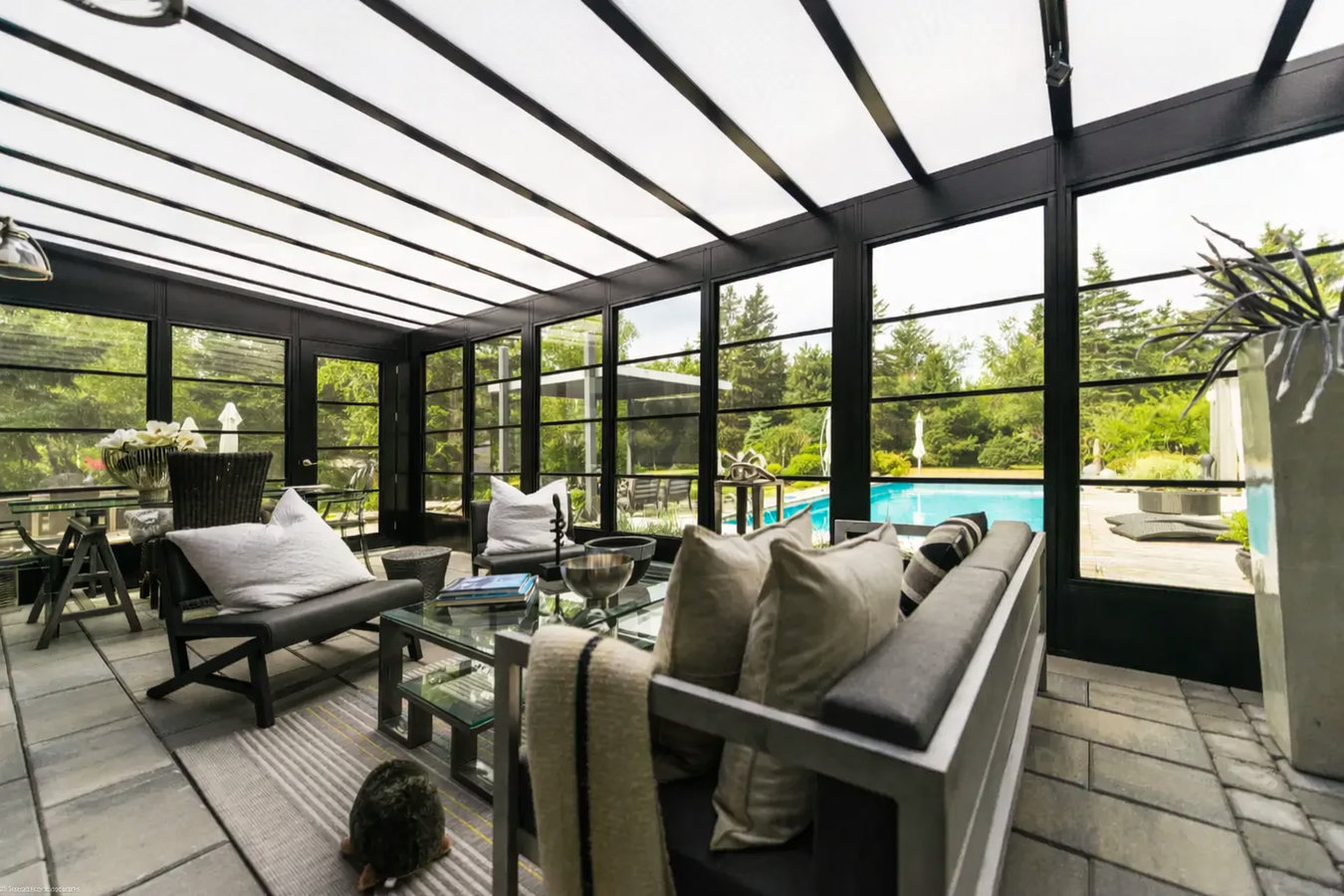
An open patio in Chino Hills is unusable for months every summer. A vinyl sunroom with the right glass and a proper foundation gives you a real room - comfortable year-round, permitted, and built to last without constant upkeep.
Vinyl sunrooms in Chino Hills are enclosed additions attached to your home, built with a vinyl frame and mostly glass or insulated panels - most installations take three to seven days of active work once permits and HOA approvals are in place, with the full timeline from first call to finished room typically running eight to fourteen weeks.
Vinyl holds up well in Southern California conditions - it does not rot, rust, or require painting, and it handles the temperature swings between a cool winter morning and a 100-degree July afternoon without cracking or letting in drafts. That makes it a practical choice for Chino Hills homeowners who want a low-maintenance room that stays comfortable across the seasons. The glass selection matters as much as the frame - in this climate, choosing panels with a heat-reflective coating is what keeps the room from becoming unusable by midday in summer. A well-designed vinyl sunroom is not a screen porch or a seasonal structure - it is a real room with a concrete foundation, a sealed roof, and walls that keep the weather out. For homeowners who want the most flexibility in materials and layout, our sunroom additions service covers a broader range of construction approaches.
Homeowners who are deciding between a simple enclosure and a full room often find it useful to compare our three season sunrooms alongside vinyl options - the key difference is whether the room is connected to your home's heating and cooling, which is what determines year-round usability in a Chino Hills climate.
If you find yourself avoiding your patio from late spring through early fall because the heat is too intense, a vinyl sunroom with the right glass gives you a shaded, insulated space that stays comfortable even when it is 98 degrees outside. Chino Hills summers are long and punishing, and a properly built room changes the equation entirely - many homeowners describe it as getting their backyard back.
If you have an existing covered patio or porch that you rarely use because it is too exposed to wind, bugs, or afternoon glare, that structure is often a strong candidate for enclosure into a sunroom. The existing roof and slab can sometimes be incorporated into the new design, which reduces cost and construction time. A contractor can assess whether your current patio is a good starting point during a free site visit.
If your family has outgrown your current layout but you do not want to deal with moving in the Chino Hills real estate market, a sunroom is one of the most cost-effective ways to add a genuinely usable room. It can serve as a playroom, a home office, a reading room, or a dining space. Unlike a full room addition, it does not require tearing into your existing structure.
If the structure currently attached to the back of your house is showing rust, torn screens, or a roof that leaks when it rains, that is a natural moment to consider upgrading to a fully enclosed vinyl sunroom rather than patching what you have. Chino Hills gets enough rain in winter - and enough wind year-round - that a deteriorating patio cover will only get worse. A properly built sunroom solves the problem permanently.
Every vinyl sunroom project starts with a free on-site visit. We measure your space, check the existing slab or assess foundation requirements, review soil and slope conditions, and ask how you plan to use the room. From that visit we produce a written proposal - design, price, and timeline - not a ballpark from a phone call. If your neighborhood has an HOA, we prepare the submission package and handle the review process on your behalf. Once HOA approval is in hand, we file the city building permit and schedule construction. The two most common configurations we build are a three-season vinyl sunroom for homeowners who want a lighter structure with seasonal use, and a four-season vinyl sunroom that is fully insulated and tied into your home's HVAC for year-round comfort. The sunroom additions page covers the full range of structural addition approaches if you want to compare options before deciding.
The construction phase starts with the foundation - a poured concrete slab if one is not already in place, engineered for Chino Hills soil conditions. The vinyl frame goes up once the foundation is ready, typically in a single day for a standard-sized room. Glass panel installation, roof weatherproofing, and perimeter sealing follow. We do not consider the job done until the city inspection passes. California energy standards for new additions are among the highest in the country, and we use glass that meets those standards - which is also good news for your cooling bills. Homeowners who want to understand the energy efficiency requirements that apply can review the three season sunrooms page alongside this one to understand how insulation and glazing choices differ between room types.
Suits homeowners who want more comfortable outdoor-connected space for spring, fall, and mild summer days, without the cost of full HVAC integration.
Suits homeowners who want a year-round room tied into their home's heating and cooling system, usable even during peak Chino Hills summer heat.
Suits homeowners with an existing patio slab who want to add walls and a roof without a full new foundation - often the fastest and most cost-efficient path.
Suits homeowners in managed communities who need a design, materials package, and submission prepared to meet architectural review board requirements.
Chino Hills is an Inland Empire city, and that matters for every decision in a sunroom build. Summer temperatures regularly exceed 95 degrees, and the sun exposure is more intense than in coastal communities. A vinyl sunroom built without attention to solar heat gain will be an oven from June through September - and that is a room no one uses. California energy code sets minimum glazing standards for new additions, but the California Energy Commission acknowledges that meeting the code minimum is a floor, not a ceiling - in Chino Hills conditions, low-emissivity glass is a practical necessity, not an upgrade. Santa Ana wind events add another layer: the roof of your sunroom needs to be anchored to your home's structural framing in a way that accounts for high-wind loads, not just rested on top of the frame. Homeowners in Chino deal with the same climate and soil conditions, and our crews work regularly across both cities.
The clay soil conditions across much of Chino Hills are a foundation concern that many contractors from outside the area miss entirely. Clay soils expand when wet and contract when dry - a seasonal cycle in Southern California that can crack a foundation designed without that movement in mind. A sunroom that starts pulling away from your house after the first rainy season is a direct consequence of ignoring local soil conditions. We assess foundation requirements based on your specific lot before any plans are finalized. We also serve homeowners in Yorba Linda, where similar HOA requirements and climate conditions apply, and experience across both communities shapes how we approach every project in this region.
The first conversation is a short call to understand your space and goals. We then schedule a free in-home visit to measure, assess soil and slope conditions, and walk through your options in person. We respond to all inquiries within one business day.
After the site visit, we produce a written proposal with a design, price, and timeline. If your neighborhood has an HOA, we prepare the submission package and handle the review process - plan for two to six weeks for HOA approval before permits can be filed.
Once HOA approval is in hand, we file the city building permit. Permit processing in Chino Hills typically takes two to four weeks. We keep you updated and set your build start date once the permit posts - work never begins before the permit is issued.
Construction begins with the foundation or slab prep, then framing, glass installation, roofing, and weatherproofing. A city inspector visits after construction to verify the work meets the approved plans. We schedule the inspection and stay on-site for it - the job is not complete until it passes.
We handle HOA submission, city permits, and the full build - so you get a finished, inspected room without managing the process on your own.
(909) 479-6375We do not use a generic glass spec across all climates. Every glass recommendation we make for a Chino Hills project accounts for the intensity of the local sun and the length of the summer season. Meeting California energy code is the minimum - we aim for a room that stays comfortable in August, not just on a mild spring day.
Most Chino Hills neighborhoods require HOA approval before construction begins. We prepare the full submission package - drawings, material documentation, and any required forms - and handle follow-up with the board. Homeowners who have tried to navigate this process alone often find it takes far longer than expected. We treat it as a standard part of every project.
We pull permits for every vinyl sunroom we build. A city inspector verifies the finished work before we consider the job closed. That inspection record is documentation that your room was built to code - and it protects you when you sell the home or make an insurance claim. You can verify our license status at any time through the California Contractors State License Board at cslb.ca.gov.
Chino Hills clay soils expand and contract with seasonal moisture changes. A foundation designed without accounting for that movement can crack and pull away from your house. We assess your specific lot conditions before finalizing the foundation design - not after the pour. That local knowledge is one reason our projects hold up well over time.
Each of these points reflects work we have done repeatedly in Chino Hills neighborhoods - not promises we make on paper. A vinyl sunroom is a significant investment, and the contractor you choose determines whether that investment adds value to your home or creates problems you are still managing years later.
Full sunroom addition projects across a range of construction types - for homeowners who want to compare vinyl against other framing and material options.
Learn MoreSeasonal sunroom builds that prioritize ventilation and comfort in mild weather, a useful comparison point when deciding how much insulation and HVAC integration you need.
Learn MorePermit slots and build dates fill up fast in spring - contact us now to get on the schedule before the summer rush.